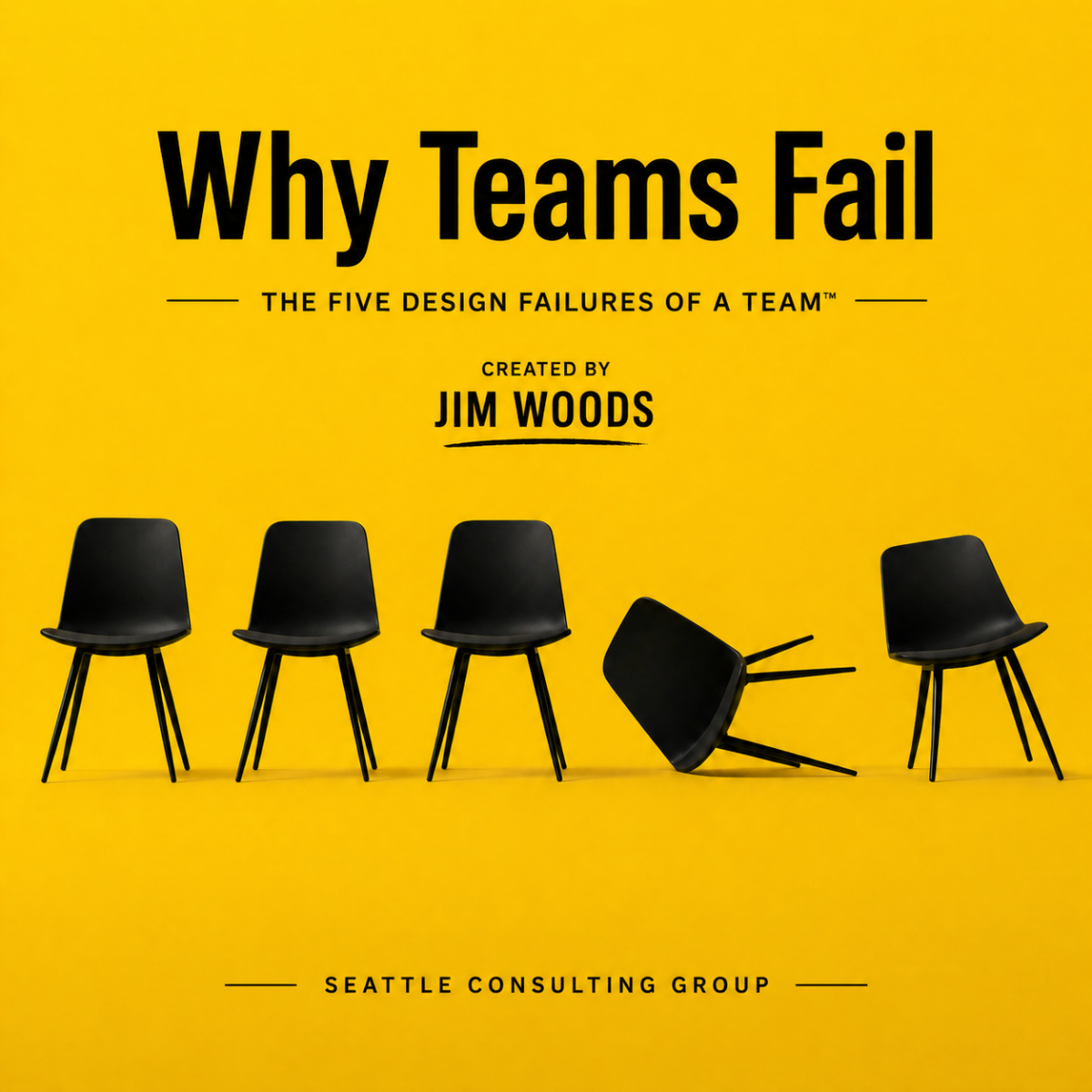
Beyond Patrick Lencioni’s Five Dysfunctions of a Team: Why Modern Teams Fail by Design
Most team problems are not caused by low trust or weak communication. They are often the result of poor design: unclear ownership, slow decisions, conflicting incentives, and inconsistent leadership standards. This article explores why many legacy team models no longer explain modern underperformance—and what high-performing organizations do instead.
How HR Protects the Company While Building Employee Trust
Most trust problems do not begin with dramatic failures. They begin when employees see rules applied unevenly, concerns handled differently, or standards shift depending on who is involved. This article explores how HR protects the company and builds employee trust through consistency, clarity, and systems people can believe in.

The Hidden Cost of Empathy Without Accountability
One expensive truth repeatedly exposed inside organizations is how often empathy is elevated while accountability is delayed. Many leadership teams have worked hard to become more human-centered, responsive, and supportive. Some of that progress has real value. Trust matters. Respect matters. The issue is not empathy itself. It is what happens when empathy expands faster than the management disciplines required to sustain performance.
When that imbalance takes hold, the cost rarely appears immediately. It arrives later through uneven standards, rising frustration, and burdens quietly shifted onto the most reliable people in the business.

HR Keeps Cleaning Up Problems It Should Have Prevented
Most organizations think workplace risk begins when a complaint is filed, a termination is challenged, or a conflict becomes visible. In reality, the cost often starts months earlier through delayed action, tolerated drift, weak manager accountability, and inconsistent standards. HR is frequently asked to clean up problems that stronger operating systems would have prevented.

The Strength Trap™
A company can be growing, profitable, and becoming harder to run at the same time. The Strength Trap™ explains how past success can quietly create bottlenecks, friction, and hidden weakness.

AI Isn’t Killing Middle Management—It’s Exposing What It Was Never Designed to Do
AI is making something visible that was easier to ignore before. As systems improve, organizations no longer struggle to see what’s happening. Performance signals surface earlier, patterns are clearer, and issues appear before they escalate. But visibility doesn’t resolve what follows. It simply moves the pressure to a different point—where information must become a decision.
That’s where variation begins to show. Two managers see the same signal and respond differently. Not because they lack capability, but because the decision itself isn’t consistently defined. Over time, those differences compound. What looks like a problem of management layers is often something else entirely—the absence of a clear, shared model for how decisions are made once the signal appears.
Managing Workplace Conflict Without Losing Authority
The issue had already been addressed once.
Two weeks later, it returned—and the response was different.
Same situation. Different outcome.
Across organizations, this is where conflict begins to shift. Not because people disagree, but because decisions are applied inconsistently.
When outcomes vary, standards become interpretive. And when standards are interpretive, authority is no longer embedded in the system—it is carried by the individual.
If similar situations lead to different outcomes in your organization, what is actually being enforced?
Ethics Isn’t Failing Because People Lack Character
Most organizations treat ethics as a question of character. Yet recurring ethical failures rarely stem from bad people—they emerge from systems that unintentionally permit the wrong behavior. Ethical performance is less about intention and more about organizational design.

Why You Keep Inheriting Preventable Problems
Investigations rarely become executive crises because of a single complaint. They escalate when the inquiry exposes something deeper—the distance between how an organization believes it operates and how decisions actually occur under pressure. What begins as an HR matter often evolves into a leadership question: Who owns standards? Who acted when signals appeared? And what does the organization truly enforce when performance, power, or reputation are at stake?
At that moment, the investigation stops being about individuals and becomes a test of governance itself.

When HR Accountability Shifts from Intent to Evidence
Most HR systems work well under normal conditions.
Policies are followed. Issues are handled. Decisions are made with reasonable intent.
What changes is not the system itself, but how it is judged.
When pressure enters—through escalation, executive scrutiny, or legal review—the lens shifts. Intent stops carrying weight. Evidence takes over. What matters is not what HR meant to do, but what it can demonstrate was already in place.
That shift is rarely announced. It simply arrives—fully formed—when it matters most.

Why Effort Keeps Failing—and What Leaders Misdiagnose Instead
Effort didn’t fail. The system did.
Most performance breakdowns are treated as motivation problems. Leaders respond with urgency and encouragement, then push harder when results don’t follow.
What they rarely question is the structure those efforts move through.
When people work hard and outcomes remain inconsistent, the issue isn’t engagement.
It’s design.
Systems produce the results they are built to produce—again and again.

Effort Is Not Control
An organization can be working extremely hard—and still be largely unmanaged.
Teams are busy. Leaders are engaged. Initiatives are underway. Yet the same execution gaps return year after year, reframed as new priorities and addressed with fresh energy.
What’s often missing is not effort or alignment, but control.
Effort fills the gaps that systems leave behind. Alignment creates agreement that fades under pressure. Control is quieter. It shows up in what happens when leaders are not present—when decisions default correctly, standards are applied consistently, and outcomes no longer depend on reminders.
When execution requires constant attention, it isn’t being led. It’s being compensated for.
Organizations that understand this distinction spend less time reinforcing intentions—and more time producing reliable results.