
The Problem With Inside-Out Leadership
Leadership development often begins by asking leaders to look inward: become more self-aware, clarify their purpose, confront their assumptions, and better understand themselves. Those disciplines matter. But when an organization is underperforming, they may not be the right place to begin.
The more urgent question is what responsibility is not being fulfilled. Poor performance may reflect strategy, structure, capability, incentives, judgment, or a leader’s unwillingness to act. Only after diagnosing the failure can an organization know whether the solution requires changing the system, another person, or the leader.
The problem with inside-out leadership is not introspection. It is treating introspection as the default diagnosis.
How Psychological Safety Became a Substitute for Leadership
Psychological safety was designed to help people speak candidly. It was never meant to replace judgment, authority, accountability, or consequence. Yet across leadership practice, a condition that supports candour has become a governing standard for how leaders should act. The result is a more receptive workplace—and leaders increasingly uncertain about whether they are still permitted to decide, correct, require, and lead.

The Great Leader Myth: How Executive Admiration Weakens Organizational Judgment
Organizations celebrate distributed leadership while continuing to attribute success to exceptional executives. The Great Leader Myth explains how admiration becomes dependence, alignment becomes conformity, and confidence in one leader gradually weakens everyone else’s responsibility to think independently.

The Employee Experience HR Cannot Design Alone
Robert Graham’s “genius sperm bank” was built on a flawed belief: control the visible input, and the human outcome will follow. Many employee experience strategies make a quieter version of the same mistake. They ask HR to design better journeys, platforms, surveys, and touchpoints while leaving the authority system that employees actually experience largely untouched.

The Manager Effect: Why Repeated Employee Behaviour Becomes a Management Outcome
Employees remain responsible for their conduct, but managers determine whether poor behaviour encounters a boundary or becomes repeatable. The Manager Effect examines how delayed correction, inconsistent standards, and managerial exceptions can turn an individual employee problem into a management outcome.

AI Can’t Fix HR: Why Governance Must Come Before Automation
AI can make HR faster, cleaner, and more consistent.
But it cannot make an organization govern what it is unwilling to confront.
Wells Fargo had the apparatus of control. The failure was that the apparatus did not control the operating reality.
Efficiency was never the real problem.
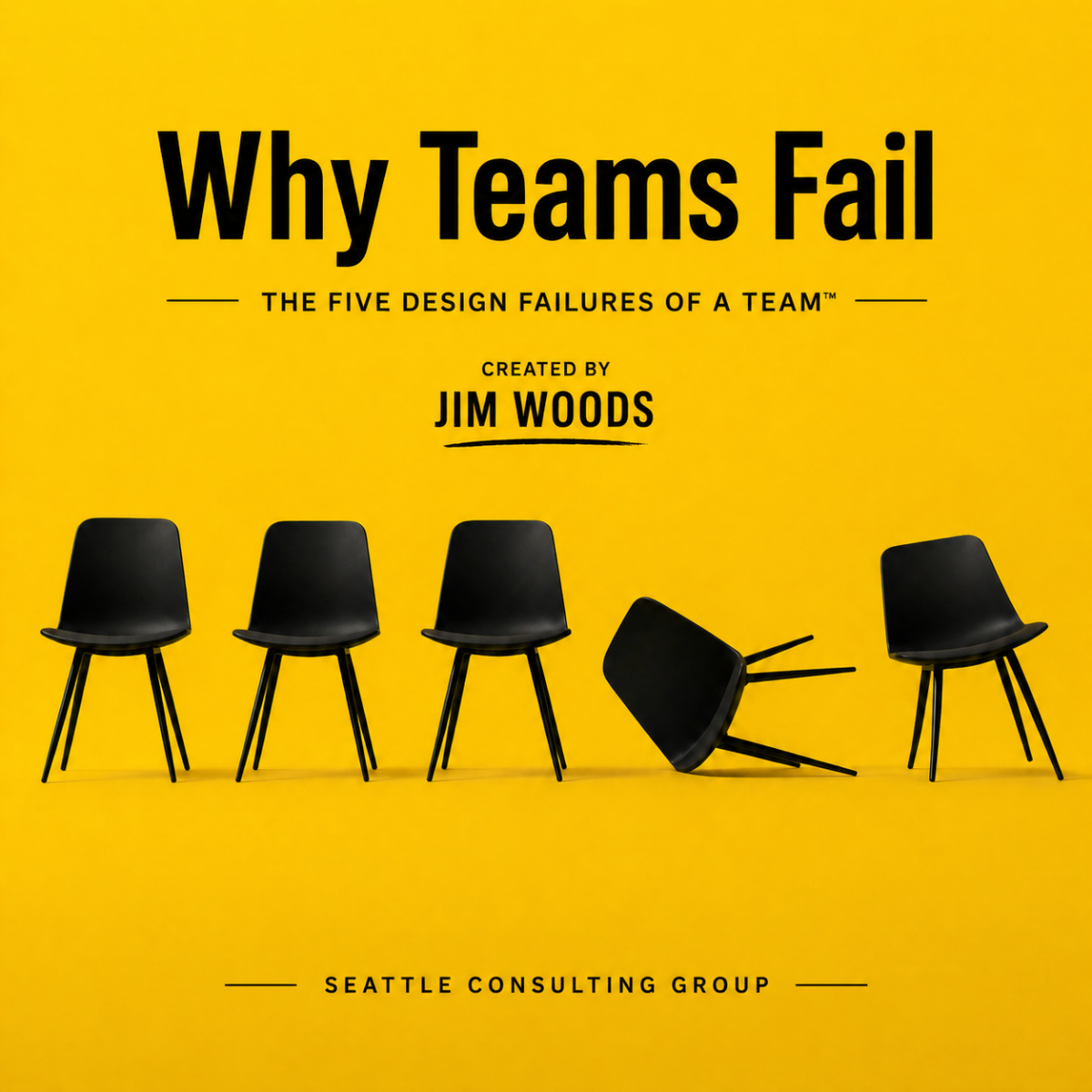
Beyond Patrick Lencioni’s Five Dysfunctions of a Team: Why Modern Teams Fail by Design
Most team problems are not caused by low trust or weak communication. They are often the result of poor design: unclear ownership, slow decisions, conflicting incentives, and inconsistent leadership standards. This article explores why many legacy team models no longer explain modern underperformance—and what high-performing organizations do instead.
Ethics Isn’t Failing Because People Lack Character
Most organizations treat ethics as a question of character. Yet recurring ethical failures rarely stem from bad people—they emerge from systems that unintentionally permit the wrong behavior. Ethical performance is less about intention and more about organizational design.